15 Oct 2026
Reward Lifecycle Mapping in Digital Card Platforms Using Player Journey Analysis
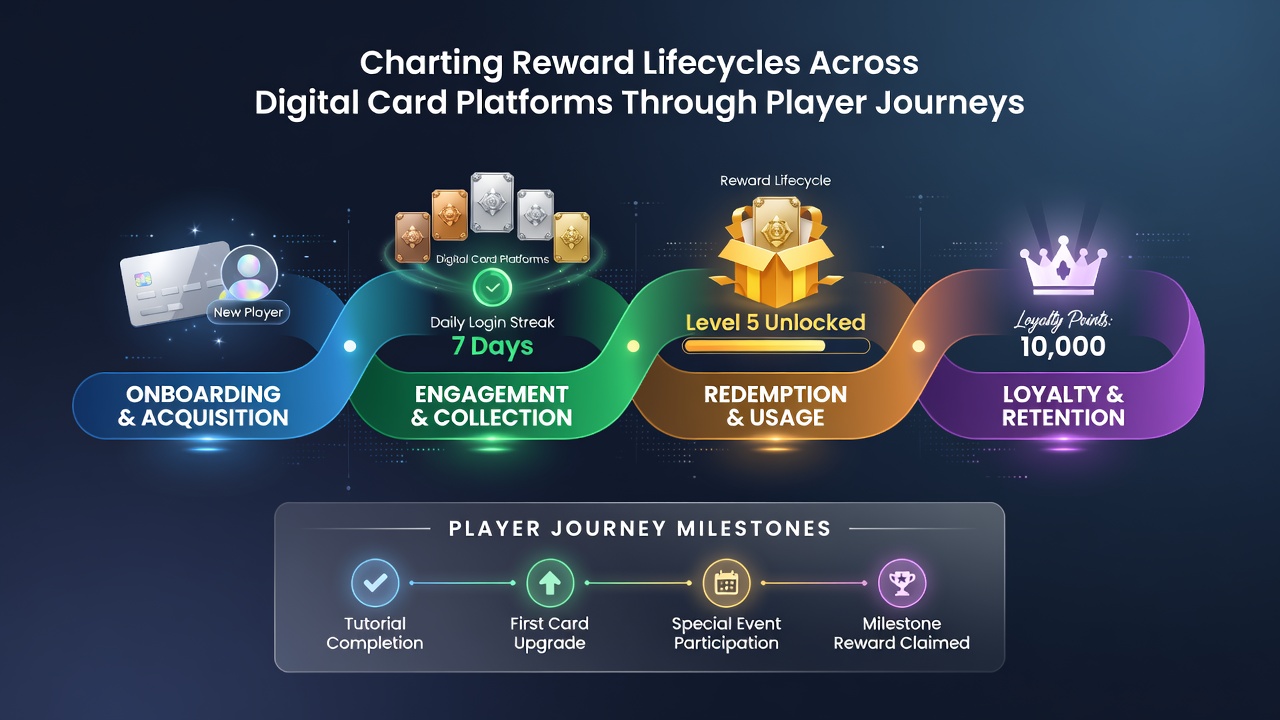
Digital card platforms operate through structured reward systems that evolve alongside user engagement patterns, and observers note these patterns shift distinctly as players move from initial registration through sustained participation and eventual retention phases. Research from the University of Nevada Reno's gaming studies program indicates that platforms integrate welcome incentives, milestone achievements, and loyalty tiers in sequences designed to match typical player behaviors, while data from the Nevada Gaming Control Board shows participation rates climbing steadily when rewards align with journey milestones rather than static offerings.
Initial Onboarding and Early Reward Activation
New accounts on digital card platforms receive entry-level incentives that activate upon first deposits or tutorial completions, and these mechanisms often include deposit matches paired with free tournament entries or starter packs that introduce core game mechanics without requiring additional spending. Studies from the Canadian Gaming Association reveal that platforms using time-limited onboarding rewards see activation rates increase by measurable margins compared to those relying on perpetual offers, because the finite window encourages immediate interaction while users explore interface elements and basic rulesets.
Platforms frequently segment these early rewards by player origin, drawing from geographic data to customize currency options and game variants, whereas European operators emphasize regulatory-compliant structures that differ from North American approaches in payout timing and verification steps. One analysis of user pathways found that players completing onboarding tasks within the first 48 hours tend to progress faster into intermediate stages, with reward lifecycles extending naturally into recurring daily login bonuses that build habit formation.
Mid-Journey Progression and Tiered Incentive Structures
As engagement deepens, platforms introduce progressive reward layers that scale with accumulated playtime, hand counts, or tournament participation metrics, and these mid-stage systems often blend cashback percentages with exclusive event access that differentiates casual users from dedicated participants. Figures from the Australian Communications and Media Authority demonstrate that reward continuity improves when platforms track cumulative activity across multiple game formats rather than isolating metrics to single variants, because cross-format progression prevents stagnation in any one lifecycle segment.
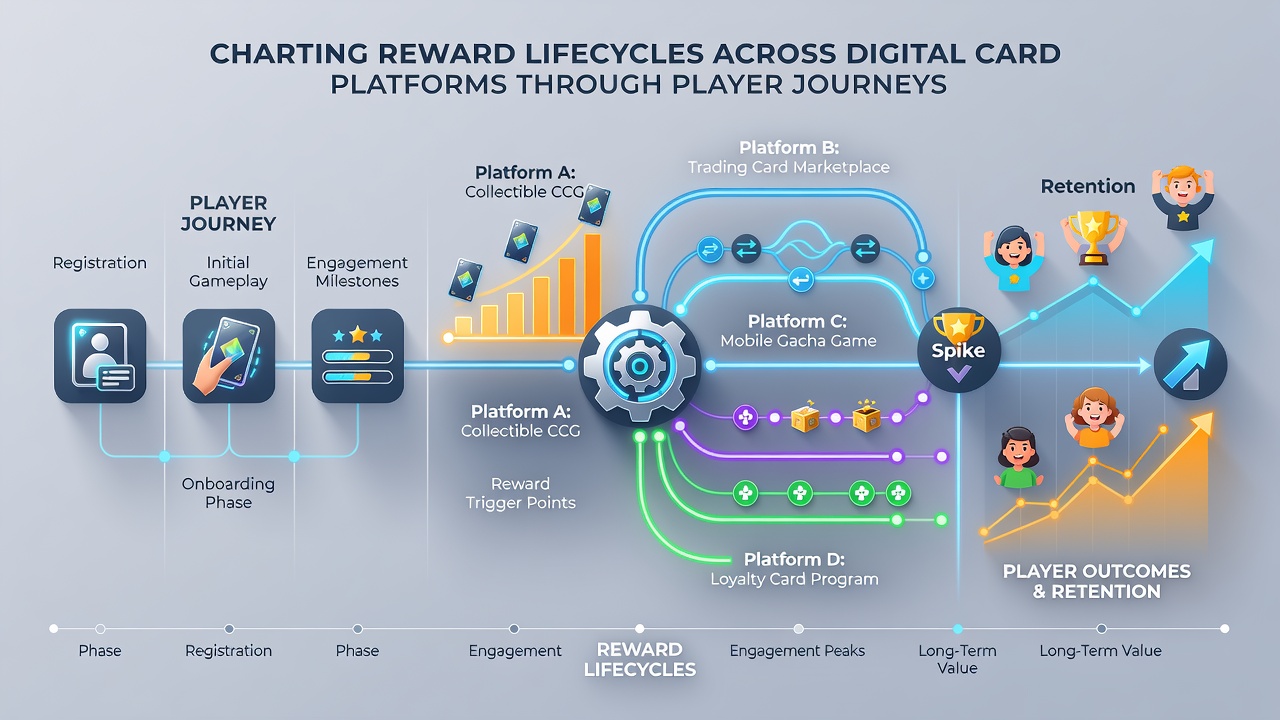
Observers note that loyalty programs at this stage incorporate escalating benefits such as reduced rake structures, personalized avatars, or priority support channels, while data indicates these elements sustain momentum for users who have already sampled initial offerings. Platforms preparing feature expansions ahead of October 2026 releases have begun testing dynamic reward adjustments that respond to individual journey velocity, allowing faster climbers to unlock premium tiers ahead of standard timelines and slower participants to receive catch-up incentives that maintain overall retention curves.
Long-Term Retention and Lifecycle Extension Strategies
Veteran players encounter reward frameworks centered on sustained loyalty and community involvement, where platforms deploy seasonal campaigns, leaderboard competitions, and personalized redemption options that extend the utility of accumulated points beyond basic gameplay credits. Industry reports from the European Gaming and Betting Association highlight that lifecycle extension occurs most effectively when rewards incorporate social elements like team challenges or referral multipliers, because these features leverage existing player networks to introduce fresh participants while refreshing value for established accounts.
Platforms adjust these mature-stage incentives based on behavioral analytics that identify churn risk points, and evidence suggests targeted interventions such as surprise bonus drops or customized tournament invitations reduce drop-off rates during extended engagement periods. Those tracking user journeys across multiple digital card environments find that reward lifecycles rarely follow linear paths, instead looping through reactivation phases when platforms reintroduce modified onboarding elements for returning users after periods of inactivity.
Cross-Platform Variations and Data Integration Patterns
Different digital card platforms apply distinct reward philosophies shaped by regulatory environments and target demographics, with some prioritizing volume-based cash rewards while others emphasize experiential perks like virtual merchandise or branded merchandise partnerships. Research indicates that integrated tracking systems across mobile and desktop interfaces allow for seamless lifecycle continuity, ensuring rewards earned on one device carry forward without resetting progress markers.
Analyses of global platform data show that October 2026 updates from several major operators will introduce unified player profiles that consolidate journey histories from multiple titles under single accounts, and this consolidation enables more precise reward calibration based on holistic activity rather than isolated game metrics. Regulatory bodies in various regions continue to monitor these developments to ensure transparency in how reward lifecycles communicate value to participants throughout their engagement tenure.
Conclusion
Player journey mapping provides digital card platforms with frameworks for aligning reward lifecycles with behavioral stages, and available data demonstrates measurable correlations between structured incentive sequencing and sustained platform usage across diverse user cohorts. Continued refinement of these systems, particularly through upcoming integrations scheduled around October 2026, positions operators to maintain engagement continuity while adapting to evolving participation patterns observed in industry metrics.